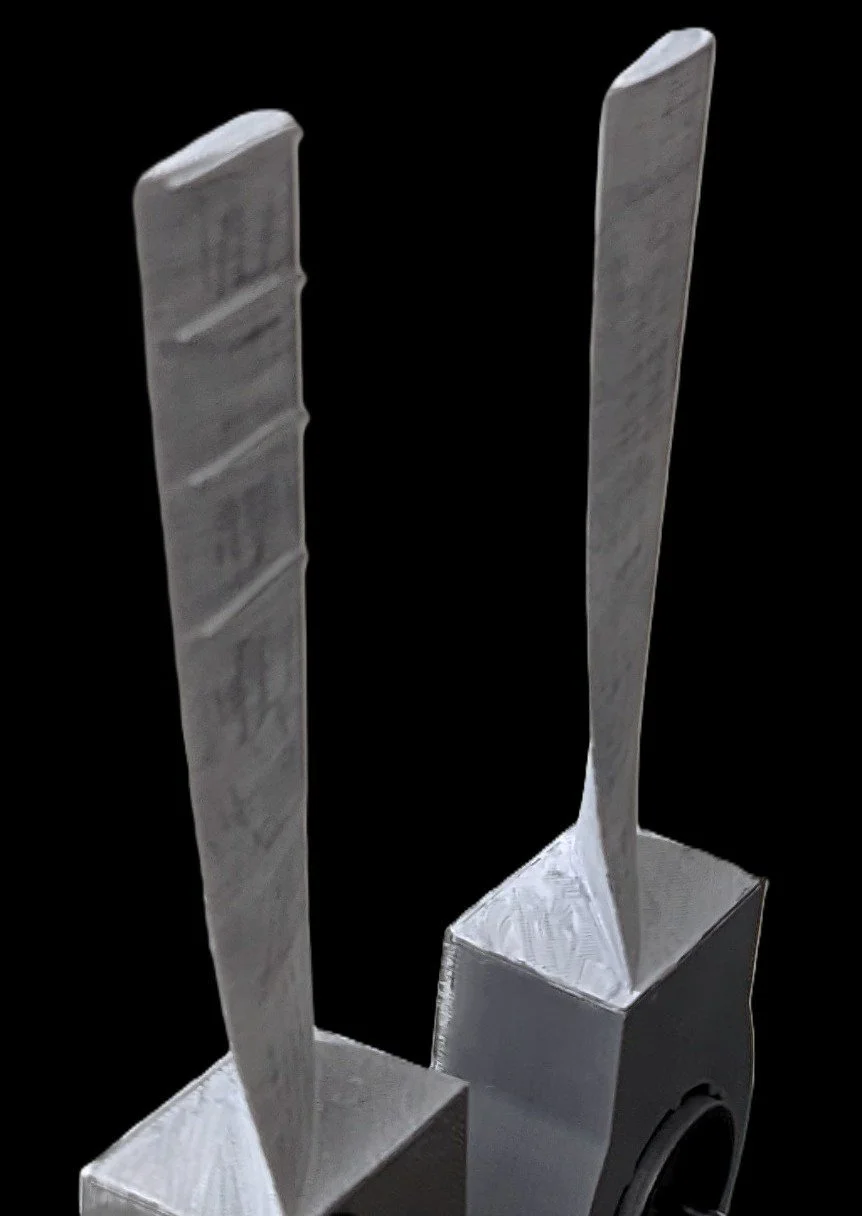


The Venturi Blade Fence was tested along side its corresponding baseline airfoil at the Fluid Mechanics Research Laboratory at the University of Waterloo
The results of these tests show that the Venturi Blade Fences were able to significantly decrease drag under practical wind conditions (TI = 0.1) while maintaining / increasing the lift force.
This results in more laminar flow and a better overall aerodynamic performance, shown by the increases in the Lift/Drag ratios.

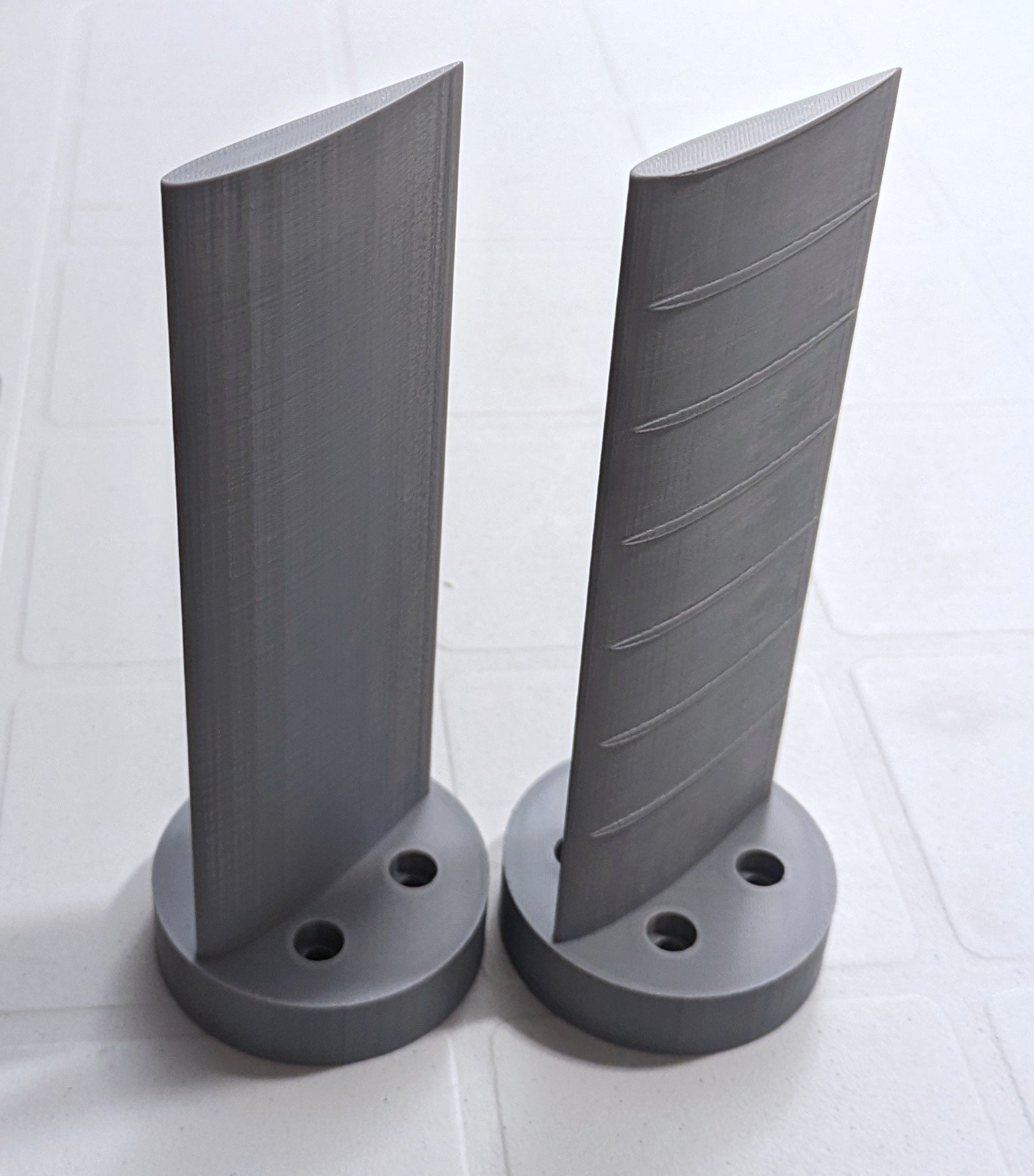

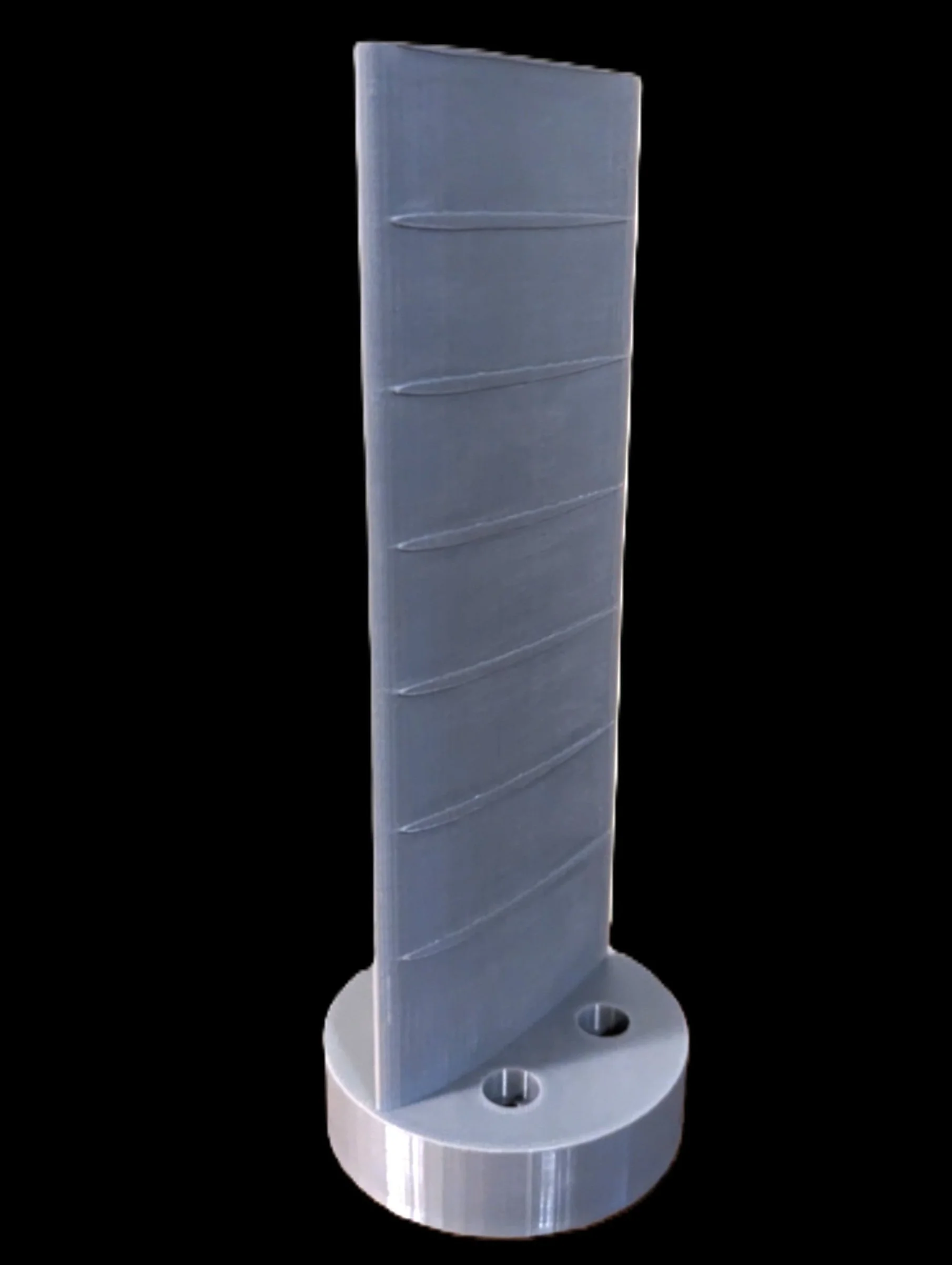
While the initial wind tunnel test delivered promising results, it also highlighted several opportunities for refinement. The original Venturi Blade Fences were relatively short in height and featured a narrower symmetrical airfoil profile compared to later iterations. Additionally, the blade length was extended in subsequent tests to better assess performance across a larger span.
Overall, this test validated the potential of the technology and gave the co-owners of this invention, Asterion Technologies and Jack Rowney, the confidence to further optimize the Venturi Blade Fence design and laid the foundation for continued development through advanced CFD simulations.
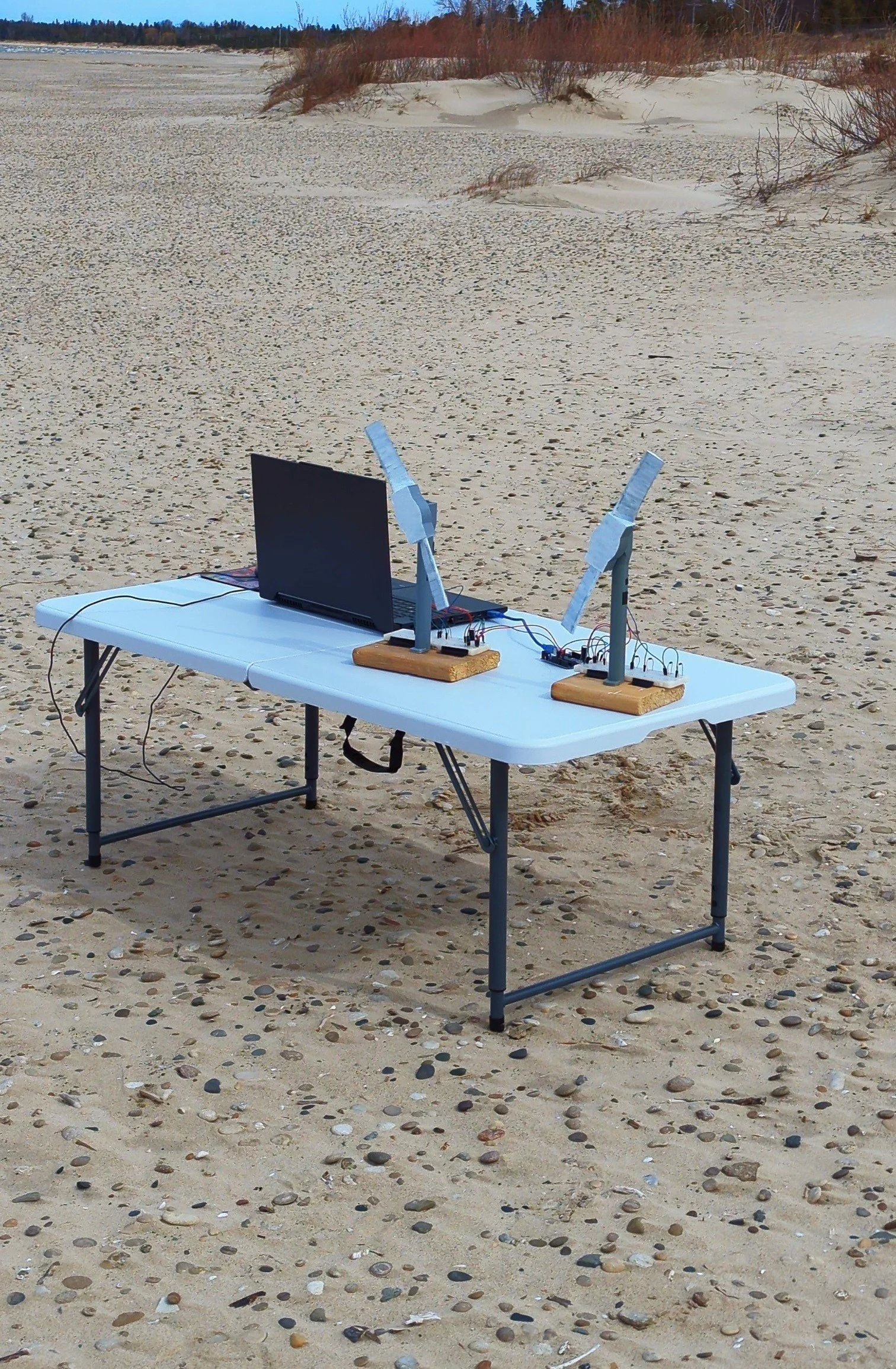
The real world performance of the Venturi Blade Fence was further tested on a 30cm diameter micro wind turbine.
The wind turbine was coupled with a 3-phase generator that had its electrical energy output recorded and stored with the use of an Arduino microcontroller. A baseline turbine with the same airfoil blade design was built and positioned adjacent to the Venturi Blade Fence turbine and had its electrical energy output recorded simultaneously. Steady winds from Lake Huron allowed for ideal testing conditions.
This resulted in a total wind turbine efficiency increase of 4.25% when compared to the baseline wind turbine.